The appeal of gambling has fascinated humans for ages, drawing countless people to casino venues, betting shops, and digital gaming sites across the UK. Understanding alterspincasino-official.co.uk reveals why we’re so powerfully attracted to games of chance, despite knowing odds are seldom in our favour. Our brains are hardwired to seek pleasure and minimize discomfort, yet gaming produces a unique cocktail of brain chemical reactions that can supersede our logical thinking processes.
The Neuroscience of Gaming: How Our Brains Respond to Uncertainty
When we place a bet, our brains produce dopamine, a chemical messenger associated with pleasure and reward. This dopamine rush occurs not just when we win, but in anticipation of a potential victory, forming a strong cycle of motivation that keeps us engaged. Research using brain imaging have shown that the neural pathways activated during gambling mirror those triggered by food, drugs, and sexual activity, explaining why the experience feels so compelling to many individuals.
The ventral striatum, a region located deep within the brain, plays a crucial role in processing rewards and assessing potential dangers. This area becomes particularly active when we face uncertain outcomes, making gambling an especially potent stimulus. Interestingly, near-misses—when we come close to winning—activate the same reward circuits as actual victories, deceiving our minds into thinking victory is achievable and encouraging continued play despite accumulating losses.
Our prefrontal cortex, governing rational thinking and self-regulation, often has difficulty competing with these powerful emotional responses. During gambling activities, this cognitive control region shows decreased activity, particularly after multiple wins or losses. This brain change helps account for experienced gamblers often pursue losses or continue playing during winning streaks, as the brain’s reward system temporarily overrides rational evaluation of probability and risk.
Dopamine’s role in the reward mechanisms within gambling behavior
When we put down money, our brains produce dopamine—a neurotransmitter associated with pleasure and motivation—generating a intense wave of anticipation and excitement that keeps us engaged in the activity.
This dopamine rush occurs not just when we win, but also throughout the anticipation phase, which explains why the excitement of gaming is so compelling even when losses significantly outweigh wins.
The Role of Near-Misses in Prolonging Gaming Behaviour
Close calls—when the outcome is tantalizingly close of a win—trigger similar neural responses to real victories, fooling our brains into thinking victory is achievable and promoting prolonged gambling.
Research reveals that near-misses activate reward pathways in the brain almost as strongly as genuine wins, making them particularly effective at maintaining gambling behaviour despite growing financial losses.
Varying Reward Schedules and Their Mental Effects
Casino gaming works via unpredictable payout patterns, where wins occur unpredictably, forming a mechanism that behavioural psychologists identify as the most resistant to extinction of all reward systems.
This randomness holds player attention considerably longer than fixed rewards would, as the mind stays always aware to the potential of the next big win, strengthening addictive behavioral habits.
Cognitive Biases That Influence Gaming Choices
Our minds use organized mental frameworks that can mislead us when making gambling decisions. These thinking patterns developed to assist form rapid decisions, but they become vulnerabilities in casino settings.
| Cognitive Bias | Description | Impact on Gambling |
| Gambler’s Fallacy | The belief that previous outcomes influence subsequent independent results | Thinking a win is “due” after consecutive losses at roulette |
| Illusion of Control | Exaggerating your capacity to influence random events | Believing certain rituals or techniques enhance slot machine results |
| Near-Miss Effect | Treating close losses as almost-wins rather than actual losses | Becoming motivated to keep playing after symbols nearly align on slots |
| Availability Heuristic | Placing excessive weight on easily recalled information | Recalling big wins whilst overlooking numerous small losses |
| Sunk Cost Fallacy | Persisting with actions due to previous investment | Pursuing losses because you’ve already spent considerable money |
These cognitive tricks generate a warped view of odds and results. The misconception about patterns, for instance, causes gamblers to assume that a spinning wheel landing on red five times means black is bound to happen.
Casino establishments understand these biases intimately and construct environments to take advantage of them. Near-misses on gaming machines activate the same brain regions as actual wins, encouraging continued play despite losses.
Environmental and Social Factors in Gambling Psychology
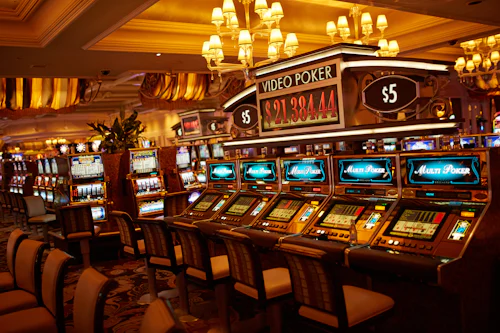
Gambling venues are meticulously crafted settings created to maximise player engagement and prolong betting sessions. These venues leverage cognitive biases through carefully orchestrated sensory stimulation, creating an environment where logical thinking becomes increasingly difficult and spontaneous actions flourishes.
Beyond the physical layout of gambling establishments, social dynamics and peer influences are essential in influencing gambling habits. The expansion of digital channels has introduced entirely new mechanisms for engagement, transforming how individuals interact with gambling products and experience the risk-reward cycle in online settings.
The Impact of Gaming Venue Layout on Player Actions
Gaming establishments employ advanced design and behavioral principles to keep players engaged for prolonged sessions. Windowless rooms remove natural light cues that indicate time progression, whilst labyrinthine floor designs deliberately confuse spatial orientation, making exits difficult to locate and promoting extended gaming.
The careful placement of slot machines near entrances creates an environment of ongoing action and winning sounds. Ambient lighting, pleasant climate control, and the lack of visible timepieces combine to establish a suspended reality where gamblers lose sight of time and spending boundaries.
Social pressures and Peer pressure in Gambling
Social validation significantly affects gaming choices, particularly when individuals see others succeed or engaging in high-stakes betting. Group dynamics in betting shops and casinos generate acceptance of norms, where risk-taking conduct becomes justified through shared engagement and mutual participation.
Peer pressure functions subtly through social media, where friends share betting successes whilst masking losses. This produces distorted perceptions of casino performance, encouraging others to engage based on partial knowledge about the true risks and economic repercussions involved.
Digital Casino and Digital Engagement Systems
Digital services leverage sophisticated algorithms and engagement strategies to preserve user participation far beyond conventional establishments. Mobile alerts, personalised bonuses, and seamless payment systems eliminate friction from the wagering experience, facilitating rapid, repeated wagers that can substantially raise spending.
Virtual environments implement continuous reward schedules and immediate response loops that trigger dopamine responses at higher rates than physical casinos. The 24/7 accessibility combined with the privacy of gambling from home eliminates social accountability, potentially accelerating problematic gaming behaviors amongst vulnerable users.
Recognising Problem Gambling and Harm Prevention Measures
Understanding the psychological pathways that fuel gaming habits is crucial for identifying when casual play crosses into problematic territory, affecting mental health and monetary wellbeing.
- Setting firm financial and time limits before gambling
- Identifying emotional triggers that trigger gambling impulses
- Steering clear of gambling when stressed, depressed, or intoxicated
- Getting help from organisations like GamCare or BeGambleAware
- Using self-exclusion tools available at UK gambling establishments
- Maintaining open discussions with close friends and family members
Prompt intervention significantly improves outcomes for those developing gambling problems. Specialized treatment services throughout the United Kingdom provide private support, merging cognitive therapy with concrete money management advice to help individuals restore stability and develop healthier coping mechanisms for anxiety and leisure.
Frequently Asked Questions
What creates gambling so psychologically addictive?
Gambling produces intense neurochemical responses in the brain, particularly the dopamine release during both wins and near-misses. This creates a reward cycle that reinforces continued play, even when losses accumulate. The variable reward schedule—where rewards arrive unpredictably—is one of the most potent conditioning mechanisms known to psychology. Combined with cognitive biases like the gambler’s fallacy and illusion of control, these neurological processes can override sound judgment. For vulnerable individuals, this can develop into problem gambling, where the brain’s reward pathways become increasingly sensitised to gambling stimuli whilst simultaneously requiring higher stakes to achieve the same dopamine response.