Last month a new chipset rolled out that lets phones run 4K graphics at 120 fps without throttling battery life. That alone means titles that once felt sluggish on smartphones can now rival console performance. If you’ve watched a mobile game reach a 95 % completion rate in a single session, you’ll know the difference.
Hardware is No Longer the Bottleneck
Three key hardware trends converge in 2026. First, OLED panels with 144 Hz refresh rates are standard on mid‑tier phones, eliminating motion blur. Second, 5 nm processors now ship with integrated ray‑tracing cores, so light behaves realistically even on a device that fits in your pocket. Finally, battery chemistry has improved to 450 mAh per gram, giving a 30‑minute buffer for high‑intensity gaming sessions. The result: players can enjoy immersive worlds for hours without swapping a charger.
Cloud Gaming and Edge Networks
Edge computing has moved from a buzzword to a backbone for mobile titles. By placing servers within 10 km of major urban centers, latency drops to under 20 ms for most users. That means real‑time multiplayer games no longer suffer from lag spikes that once forced developers to design separate mobile and console experiences. The cloud also lets developers ship updates instantly, so a patch that adds a new character can appear on your device the same day it lands on the server.
Developer Strategies for a Mobile‑First Audience
- Modular Design: Games are built in interchangeable modules, allowing a core engine to run on both iOS and Android while platform‑specific features are added later.
- Adaptive Quality: Automatic scaling of texture resolution and draw distance keeps frame rates high on older devices.
- Subscription Models: Monthly passes that grant access to a rotating library of titles reduce the upfront cost barrier for players.
Monetization: From Ads to In‑Game Economy
In‑app purchases remain the dominant revenue stream, but the focus has shifted to “play‑to‑earn” mechanics. Players can trade digital assets on blockchain‑enabled marketplaces, turning gameplay into a potential income source. However, this model only works if the platform enforces strict anti‑fraud measures; otherwise, the economy can become inflated and unstable.
Accessibility and Inclusivity
Voice control and haptic feedback have reached a maturity that supports players with visual or motor impairments. A new accessibility SDK allows developers to map game actions to a single button or gesture, making complex titles playable on a single thumb. Still, the cost of high‑end devices remains a barrier in emerging markets, where 60 % of users run on hardware that can’t support the latest APIs.
Security and Privacy in the Mobile Era
With more personal data stored in games, developers must adopt zero‑trust architectures. End‑to‑end encryption for matchmaking and in‑game transactions has become a baseline expectation. Yet, some studios still rely on third‑party analytics that track location and play patterns, raising privacy concerns that regulators are now scrutinizing.
As mobile gaming grows, the line between casual and competitive play blurs. When a casual player competes against a pro, the same hardware and network infrastructure supports both, creating a unified ecosystem.
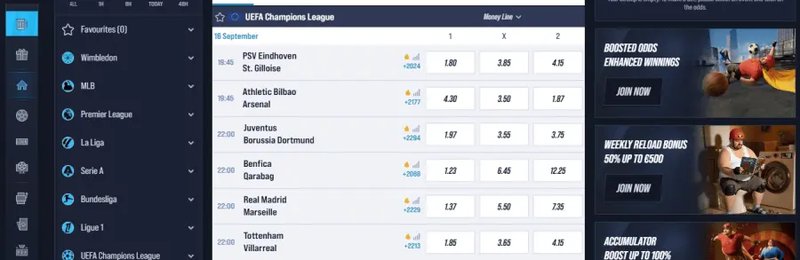
For fans of live entertainment who enjoy the thrill of competition, the same technological momentum that fuels mobile games also powers online gaming platforms. Many now offer live streaming of events, interactive betting, and real‑time commentary. If you’re curious about how the same level of immediacy translates to a different arena, check out Vegashero.
Looking Ahead: What 2027 Might Hold
Predicting the next leap is tricky, but three possibilities stand out. First, quantum‑assisted AI could generate procedurally unique worlds in real time. Second, augmented reality overlays might merge physical and digital play spaces, allowing you to battle dragons in your living room. Third, a global standard for cross‑platform ownership could let you buy a character on one device and play it on another without a new purchase.
Conclusion
By 2026, mobile gaming will no longer be a niche hobby; it will be the core of digital entertainment. Hardware advances, cloud infrastructure, and developer ingenuity have converged to deliver console‑quality experiences in a pocket‑sized package. The next decade will decide whether this momentum translates into a truly universal platform, but the groundwork is already laid.
Frequently Asked Questions
What hardware advancements are driving mobile gaming in 2026?
The rollout of 4K 120fps chipsets and standard OLED 144Hz panels eliminates previous performance bottlenecks, matching console-level graphics on phones.
Will battery life be affected by higher frame rates?
No, the new chipsets are designed to maintain battery efficiency, so you can play at 120fps without significant power loss.