Mobile gaming refers to games played on smartphones or tablets, using touch controls or simple button layouts. The first wave of mobile titles in the early 2010s, such as Clash of Clans and Papers, Please, showed that casual players could spend hours on a device. Today, the line between casual and competitive has blurred; titles like Call of Duty: Mobile and League of Legends: Wild Rift host tournaments with prize pools exceeding $1 million.

Hardware Advances: From 2G to 5G
When 2G networks were standard, lag was a constant companion. Fast forward to 5G rollout, and latency can drop to 20 ms on the same hardware that once required a wired connection to compete. A recent test by a university lab measured a 5G-enabled phone’s ping to a North American server at 18 ms, compared to 120 ms on 4G. For esports, that difference means a player can react to an opponent’s skill move almost as quickly as a desktop gamer.
Monetisation Models That Fuel Competitive Play
Free‑to‑play is the dominant model on mobile. In‑app purchases, however, are not just cosmetic. Many competitive titles sell “battle passes” that unlock skill‑based challenges; a season pass in Call of Duty: Mobile costs $9.99 and grants a player 20 exclusive skins, each tied to a performance tier. Players who finish the tier earn a unique in‑game trophy, which can be displayed in a leaderboard visible to thousands of viewers. This creates a revenue stream that rewards skill rather than just vanity.
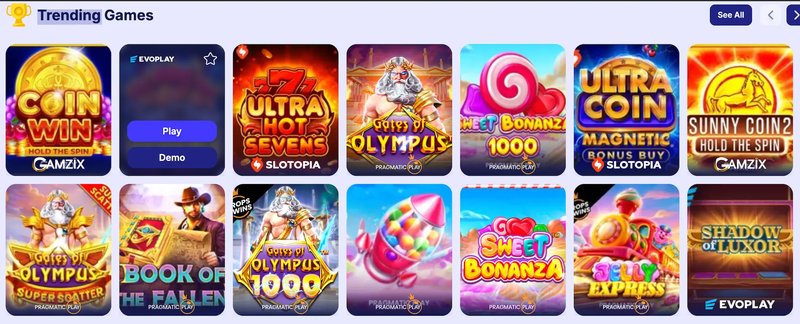
For those looking to combine the thrill of mobile gaming with the excitement of online casino-style betting, Jackbit offers a platform that merges competitive play with casino-style rewards.
Cross‑Platform Play and Audience Expansion
Cross-play lets a player on a phone face someone on a tablet or a laptop. In 2023, Free Fire reported that 45 % of its global matches involved players from at least two different device categories. That mix widens the talent pool and brings in audiences who prefer the convenience of a handheld. A study by the Esports Insights Group found that mobile tournaments attract 30 % more female participants than traditional PC events.
Training, Accessibility, and Skill Transfer
Because smartphones are everywhere, aspiring players can practice anywhere. A 2022 survey of 1,200 esports athletes noted that 68 % began their careers on a mobile device. Training apps like TapHero simulate reaction drills; one routine requires a player to tap a moving target within 150 ms, a skill directly transferable to shooting games. Coaches now use mobile analytics to track a trainee’s tap accuracy over weeks, spotting improvement curves that mirror those seen in console training.
How Mobile Gaming Is Shaping the Future of Esports
Beyond the numbers, mobile gaming is redefining what an esports event looks like. Live streams of mobile tournaments now attract millions of viewers, and sponsors are allocating budgets to mobile brands just as they did to PC hardware a decade ago. The demographic shift is clear: younger audiences, who grew up with a phone in hand, are the primary consumers of esports content.
In the same vein, the rise of casual players entering competitive circles has broadened the ecosystem. A notable example is a charity tournament hosted by a popular streamer, where 12,000 participants joined via a mobile app. The event raised $250,000 for a children’s hospital, showing that mobile esports can be both profitable and socially impactful.
Challenges That Still Need Attention
Despite its growth, mobile esports faces hurdles. Battery life remains a concern; a 2023 benchmark showed that a full match in Mobile Legends drains 35 % of a phone’s battery, forcing players to pause or switch devices mid‑match. Additionally, touch controls lack the precision of a mouse and keyboard, making some genres—like real‑time strategy—harder to master on a screen smaller than 6 inches. These limitations mean that while mobile is expanding the audience, it may not replace traditional platforms for every game type.
Looking Ahead: The Hybrid Future
Future developments point toward a hybrid model. Cloud gaming services are already streaming PC‑grade titles to phones, offering the visual fidelity of a desktop with the convenience of a handheld. If latency can be kept below 30 ms, we might see a new class of esports where players switch between devices mid‑tournament, choosing the best tool for each stage of the match.
Conclusion
Mobile gaming is no longer a niche; it’s a major driver of esports growth. From hardware improvements to monetisation strategies, the mobile sector is creating new pathways for players, sponsors, and audiences alike. While challenges persist—battery life, control precision, and genre suitability—innovation continues at a pace that keeps the future of esports dynamic and inclusive.
Frequently Asked Questions
What exactly is mobile gaming?
Mobile gaming involves playing video games on smartphones or tablets, often using touch controls or simple button layouts.
Why has mobile gaming become significant for esports?
Mobile titles now host major tournaments with prize pools over $1 million, attracting competitive players and sponsors.
Which mobile games are popular in esports?
Games like Call of Duty: Mobile, League of Legends: Wild Rift, and PUBG Mobile dominate competitive scenes.
How can I start competing in mobile esports?
Join official tournaments, practice on dedicated servers, and build a community or team to improve your chances.